
Essential Tips for Stress-free Junk Removal in NYC
Anyone who has tried to clear out a cramped Brooklyn apartment or a Queens basement stuffed with decades of accumulated stuff knows the truth: junk removal in NYC is a different beast entirely. The city’s tight hallways, elevator restrictions, co-op board rules, and street parking nightmares turn what should be a simple Saturday project into a full-blown logistical headache. But it doesn’t have to be that way. With the right approach, and a little insider knowledge, clearing out your space can actually be painless.

The Pile Isn’t the Problem, Your Plan Is
Most people make the same mistake before a cleanout: they stare at the mess and feel overwhelmed, so they do nothing. The stuff isn’t the real obstacle. The lack of a clear plan is.
Before anyone shows up to haul anything away, spend thirty minutes doing a rough sort. Walk through the space and mentally divide things into three buckets: donate, dispose, and keep. You don’t need to move anything yet, just make decisions. This one step alone dramatically speeds up the actual removal process and can lower your costs, since many professional services charge based on volume or time.
If you’re dealing with a particularly overwhelming situation, years of accumulated belongings, a loved one’s estate, or a space that’s gotten out of control, it’s worth reading up on how hoarding cleanouts work in NYC. The approach is different, and knowing what to expect makes the whole process far less stressful.
One thing experienced cleanout crews will tell you: the clients who have done even a rough sort beforehand are always happier with the outcome. Not because the job goes faster, but because they feel in control of what stays and what goes.
What NYC Buildings Will (and Won’t) Let You Do
This is where out-of-towners, and even longtime residents, get caught off guard. New York City buildings have rules that directly affect how a cleanout gets done, and ignoring them can turn a smooth job into a costly delay.
Co-ops and condos often require you to reserve the service elevator in advance. Some buildings only allow moves and large removals on specific days or during certain hours. Others require a certificate of insurance from any outside contractor before they’ll even let a truck pull up. If you’re hiring a removal crew, ask them upfront whether they carry proper insurance and can provide documentation, a reputable company will have this ready without hesitation.
Street access is another real consideration. NYC’s alternate side parking rules, narrow streets, and loading zone restrictions mean that timing matters. A good local crew knows how to work around these realities. They’ve done it hundreds of times and won’t show up unprepared.
If you’re clearing out a rental property after a tenant has vacated, the building dynamics get even more specific. Services like landlord debris disposal are built around exactly these kinds of situations, quick turnarounds, minimal disruption to other tenants, and crews that know how to operate professionally in residential buildings.
Stuff You Think Is Trash Might Actually Have Value
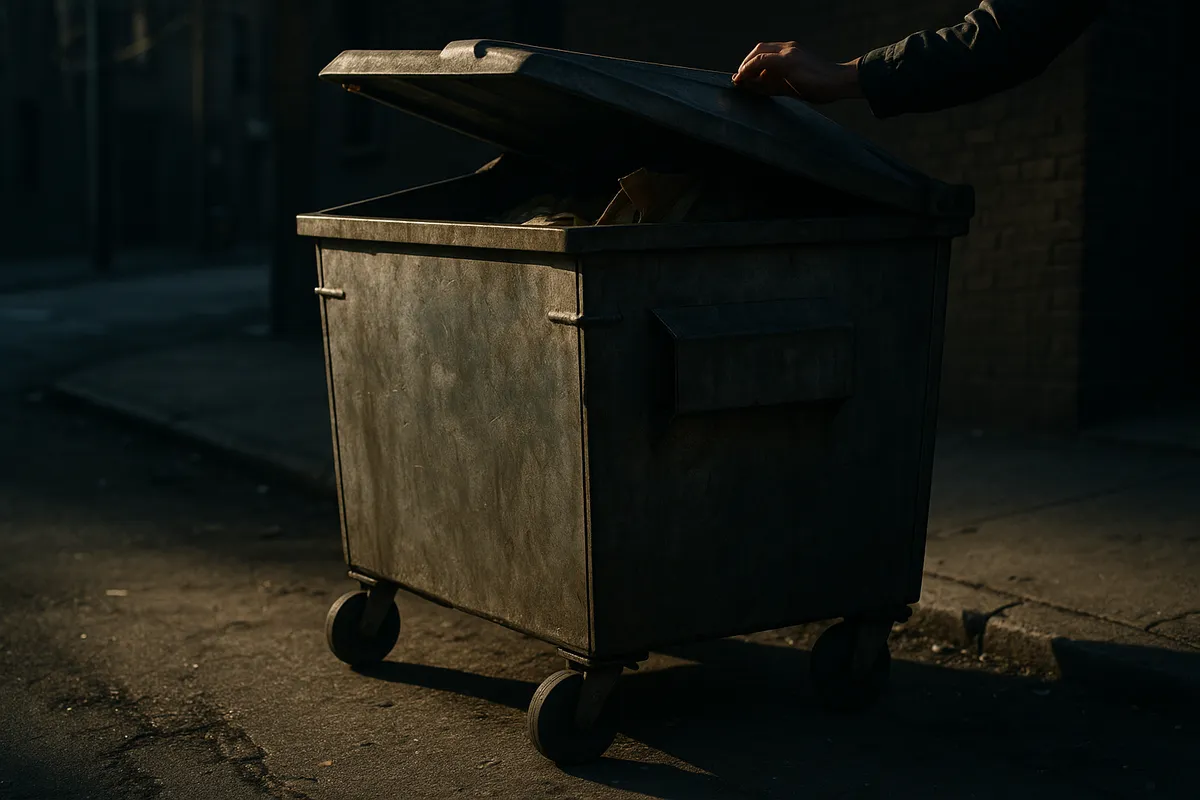
Here’s something that surprises a lot of people: a significant portion of what gets hauled out of NYC apartments and homes doesn’t end up in a landfill. Furniture, appliances, electronics, and even old building materials often get donated, resold, or recycled, and a good removal company will sort this out for you.
That old dresser in the back bedroom? A local charity might take it. The box of working power tools in the garage? Someone can use those. The point isn’t that you’ll get rich off your castoffs, it’s that responsible disposal matters, and the best crews in the city take it seriously.
It’s also worth thinking about what you might be sitting on without realizing it. There’s a reason so many people are surprised by what turns up during a thorough cleanout. If you’re curious about the unexpected finds that come out of NYC homes, this piece on uncovering hidden value during cleanouts is genuinely worth a read.
Customers who’ve worked with Cleanout Express often mention being relieved that items they felt guilty throwing away were handled responsibly, donated where possible, disposed of properly where not. That peace of mind is part of the service, not an afterthought.
Timing Your Cleanout the Right Way
In a city that never slows down, timing a cleanout well makes a real difference. If you’re preparing a property for sale, coordinating with a move, or clearing out after an estate, the schedule matters more than most people account for.
Booking in advance, even just a week or two out, gives you more flexibility on timing and avoids the premium that comes with last-minute requests. Spring and fall tend to be the busiest seasons for cleanouts in the city, so if you’re planning around those times, earlier is always better.
If you’re getting a property ready to list, a pre-listing cleanout done properly can genuinely affect how quickly a place sells. Buyers and renters in NYC make fast decisions, and a clean, clear space photographs better, shows better, and moves faster.
The bottom line is straightforward: clearing out a space in this city takes more coordination than most people expect, but it’s entirely manageable when you go in with a plan, hire people who know the local landscape, and give yourself a realistic timeline. The hard part isn’t the junk, it’s the logistics. Get those right, and the rest takes care of itself.
Frequently Asked Questions
My co-op building has strict rules about contractors, what do I need to ask a removal crew before booking?
Ask upfront whether they carry proper insurance and can provide a certificate of insurance, because many NYC co-ops and condos require this before they’ll allow any outside crew to work in the building. You’ll also want to confirm whether your building requires you to reserve the service elevator in advance and whether removals are restricted to certain days or hours, these are details worth sorting out before anyone shows up at your door.
Does doing a rough sort before the crew arrives actually make a difference to what I pay?
It can, yes, many professional removal services charge based on volume or time, so the less sorting the crew has to do on the spot, the less you’re likely to spend. The article’s advice is to spend about thirty minutes walking through the space beforehand and mentally dividing things into donate, dispose, and keep, without even moving anything yet.
What happens to the stuff that gets hauled out, does it all just go to a landfill?
A good crew will sort through what they take and route usable items, furniture, working appliances, power tools, to local charities or resale rather than dumping everything. The article is clear that responsible disposal is part of what a reputable company does, not something you have to specifically request or pay extra for.
When is the worst time of year to try to book a cleanout in NYC?
Spring and fall are the busiest seasons for cleanouts in the city, so if your project falls anywhere near those windows, booking at least one to two weeks out gives you more control over scheduling and helps you avoid last-minute pricing. Waiting until you’re in a crunch, say, right before a listing goes live or a move-out deadline, is exactly when your options get limited and costs go up.
I’m clearing out a rental unit after a tenant left, is that handled differently than a regular apartment cleanout?
Yes, the dynamics are different enough that some crews specialize specifically in that kind of work, focusing on quick turnarounds and minimal disruption to other tenants still living in the building. The main priorities in that situation are speed, professional conduct in a shared residential building, and not creating problems with neighbors or building management while the work is happening.
Get Directions to Cleanout Express
🎧 Listen to this as a podcast
Also on Apple Podcasts, Spotify, and Amazon Music.


